Rubber gym floor tiles, flooring rolls, turf and lifting platforms for home, garage and commercial gyms.
Gym Flooring for Home, Garage and Commercial Gyms
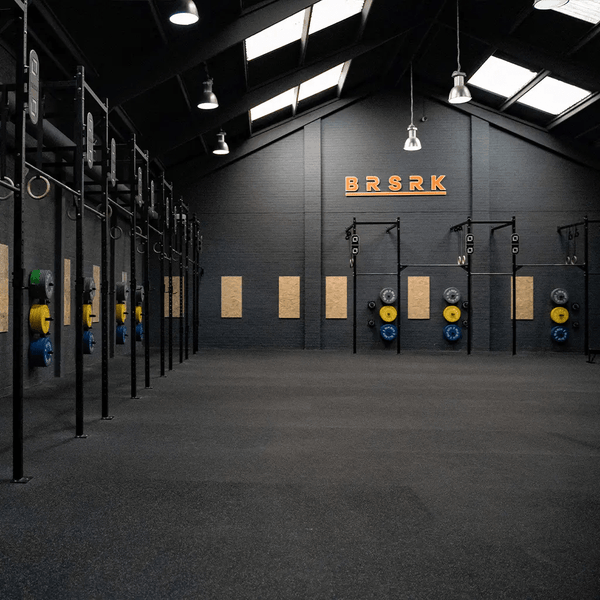
BLK BOX gym flooring protects your subfloor and equipment from dropped weights, reduces noise and vibration, and gives a safe, non-slip surface for strength, functional and conditioning training. The range covers rubber gym floor tiles, rubber flooring rolls, turf and weightlifting platforms, so each training zone can have the surface that suits it.
Rubber Gym Floor Tiles
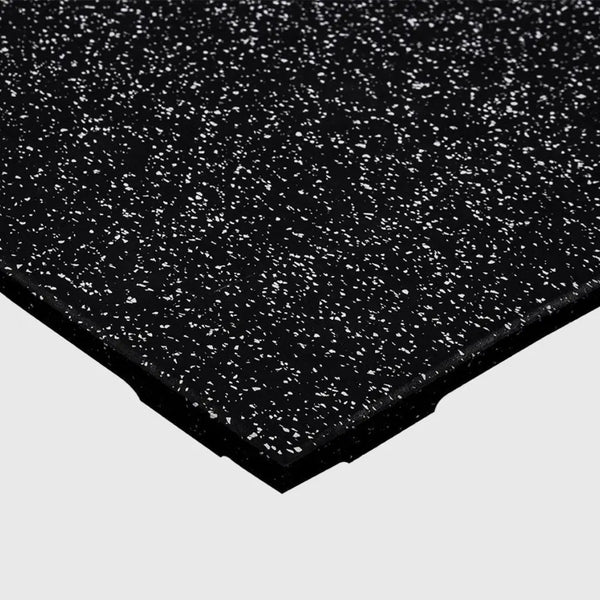
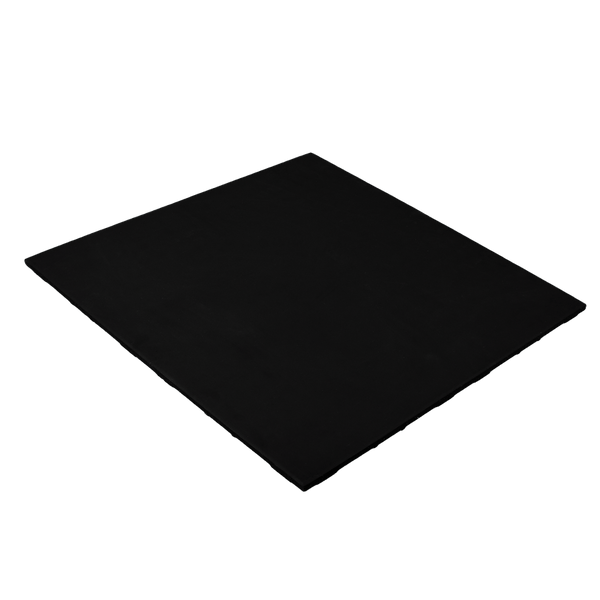
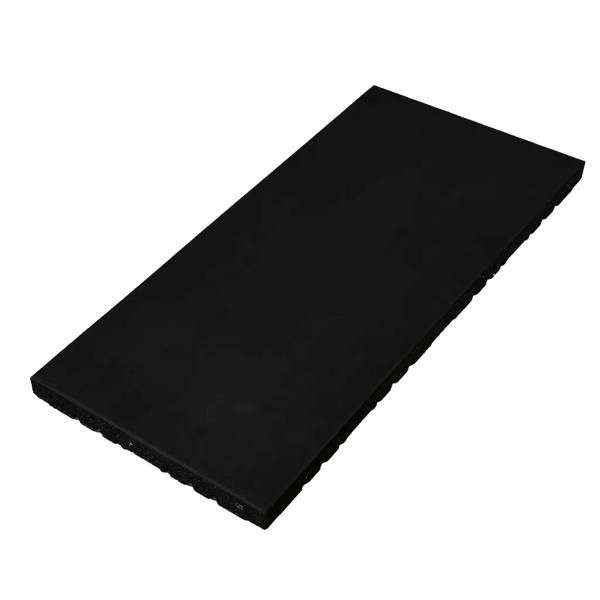
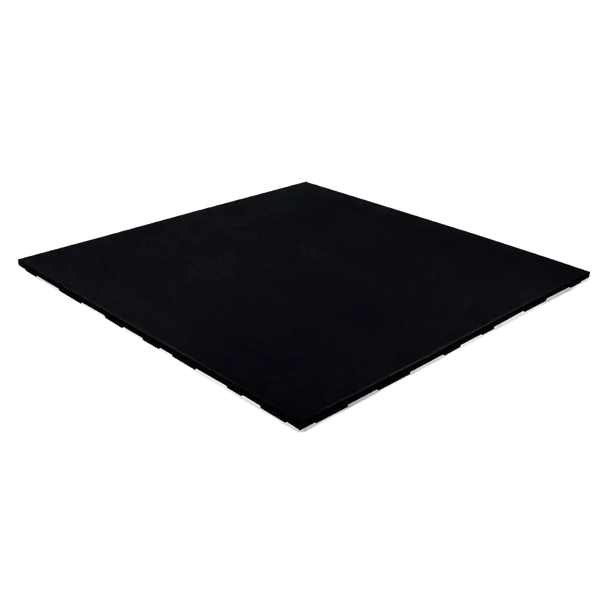
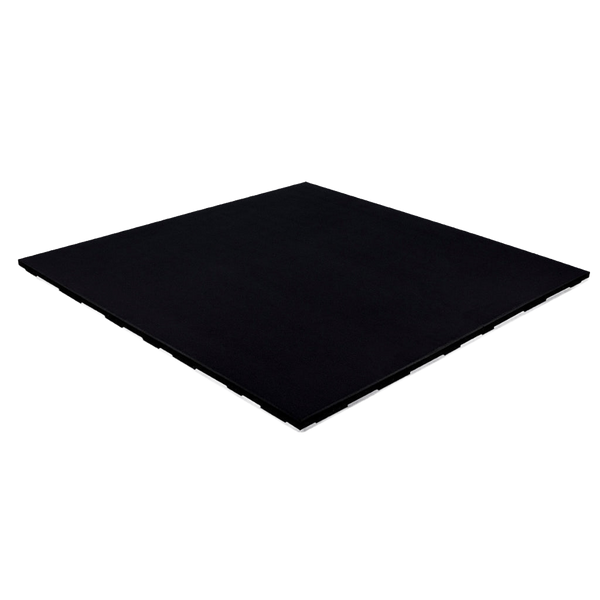
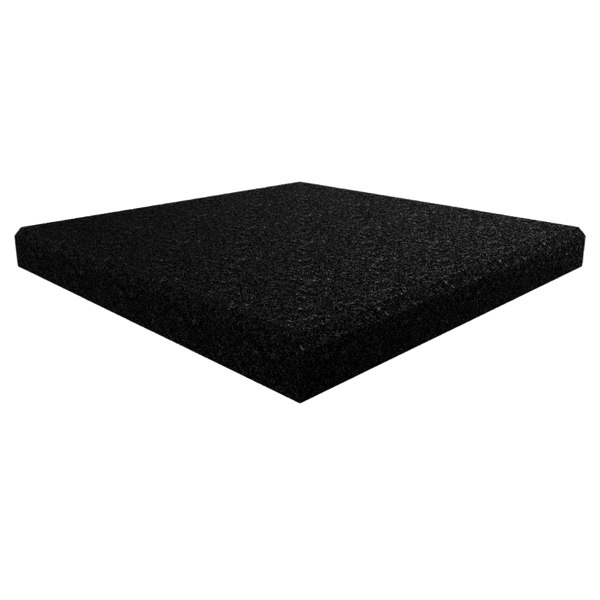
Our interlocking flooring tiles suit modular setups that can be expanded or lifted later. The 15mm Anti-Slip Gym Tile (1m x 1m) is made for home gyms, PT studios and small-group training with light to moderate free weights. For high-footfall free-weight and Olympic lifting areas, the 20mm Challenger Gym Tile (1m x 1m) and the 30mm and 40mm High Impact Gym Tiles add more impact protection, with the 40mm tile pairing a 37.5mm recycled rubber base with a 2.5mm EPDM top layer.
Rubber Gym Flooring Rolls
Rolls give a seamless surface across larger areas. The 10mm Utility roll (10m x 1.25m) suits home gyms and studios, while the 15mm Foundation roll pairs a hard-wearing 3mm top layer with a 12mm shock-absorbing base for high-traffic commercial gyms and sports performance centres, and the 15mm Fusion roll has a slightly softer feel for multi-use functional spaces. Browse our commercial gym flooring for the full rolled range.
Gym Turf and Sled Tracks
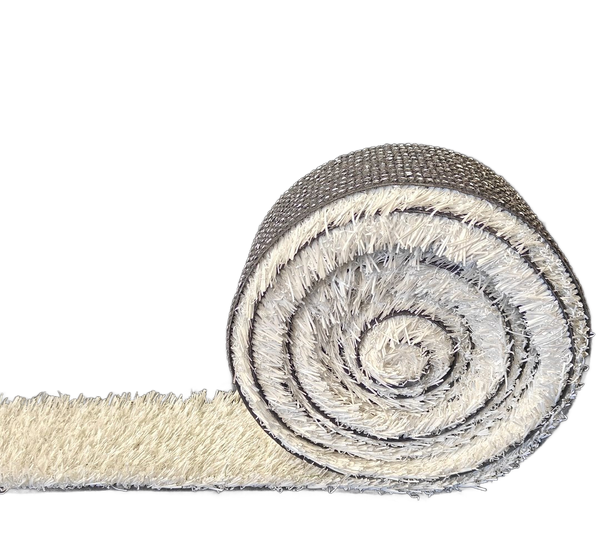
Agility turf has a 15mm pile and comes in 2m-wide rolls cut to length, with white line markings available, for sled work, sprint drills and conditioning. Velocity Turf and custom turf options cover branded and bespoke layouts.
Weightlifting Platforms
A weightlifting platform creates a dedicated lifting zone. The Inlaid Wooden Platform comes in 18mm or 36mm marine-grade plywood and is designed to integrate with surrounding rubber flooring, while the Foundation Inlaid Waterjet Platform adds custom inlaid branding with a 5-year warranty.
Choosing Gym Flooring Thickness
Getting flooring thickness right matters more than most facilities expect: too thin and it won't absorb impact from dropped plates, too thick and it can affect stability during heavier lifts. As a guide, 10mm to 15mm suits general training and lighter free weights, 20mm suits busier free-weight areas, and 30mm to 40mm tiles or a platform suit heavier dropped loads. Our gym flooring buying guide covers this in more detail.
Installation and Subfloor Preparation
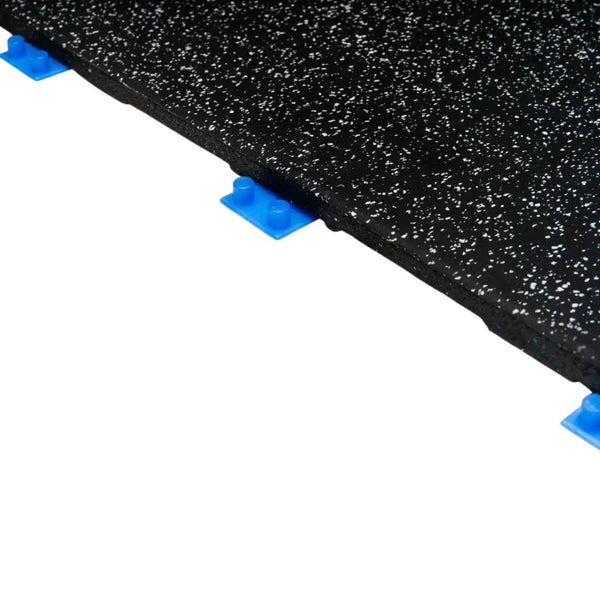
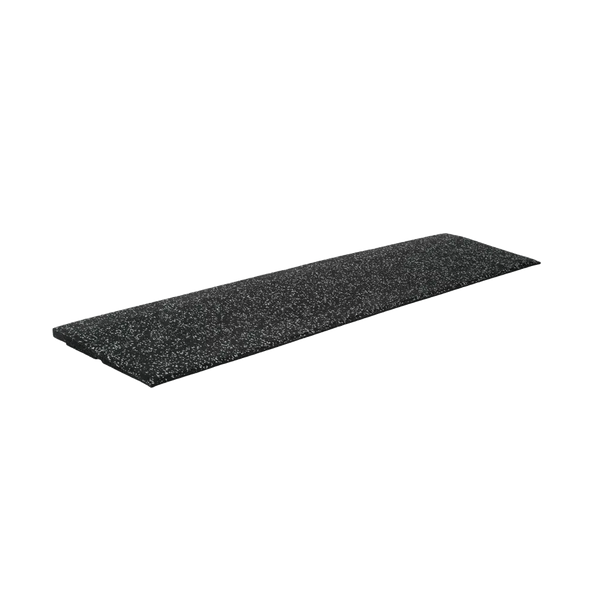
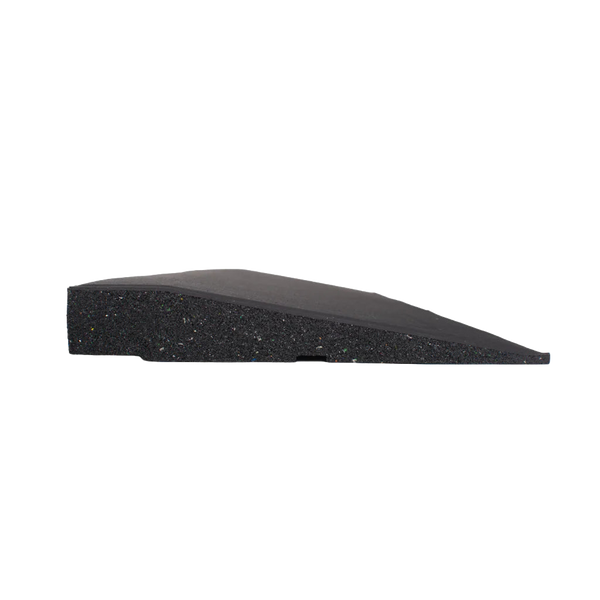
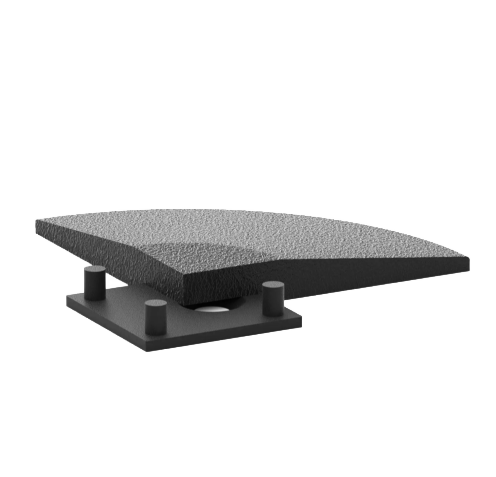
Tiles can be laid without adhesive using connectors: allow five per 20mm Challenger or 40mm High Impact tile and seven per 30mm tile, or have tiles professionally bonded after subfloor preparation. Rolls such as the 10mm Utility roll are fitted with adhesive on a level, prepared surface. Finish edges and doorways with transition strips and corner ramps matched to the flooring thickness.
What flooring do I need for a home or commercial gym?
Choose gym flooring from the training load and the subfloor. Rubber tiles suit strength and free-weight zones, rolls provide a more seamless surface across large areas, turf supports sled and agility work, and platforms create dedicated lifting zones. Commercial gyms often combine these rather than using one surface everywhere.
What gym flooring works for a home or garage gym?
BLK BOX gym flooring suits home gyms, garage gyms and commercial facilities, and for most home gyms the Anti-Slip Gym Tile is a top choice. Each tile is 1m x 1m x 15mm, and the modular design fits asymmetrical spaces and can be expanded later. The tiles can be lifted or moved without damaging your existing floor. For free-weight and Olympic lifting areas, use the 20mm Challenger tile, joined with connectors so no adhesive is needed. The 10mm Utility roll is another option, but it is fitted with adhesive on a level, prepared surface.
Which flooring suits a commercial gym?
The 15mm Foundation roll is built for high-traffic commercial gyms, independent facilities and sports performance centres. It has a hard-wearing 3mm top layer over a 12mm shock-absorbing base. For multi-use functional spaces, the 15mm Fusion roll has a slightly softer feel underfoot. Shockpad Underlay fitted beneath the floor adds shock absorption and can raise the finished height. For a branded lifting area, the Foundation Inlaid Waterjet Platform has custom waterjet-inlaid branding. It is designed for permanent installation and backed by a 5-year warranty.
How do I clean the flooring and replace damaged areas?
Rubber flooring can be vacuumed and mopped with warm water and a neutral-pH cleaner; avoid machine cleaning and solvent-based cleaners on rubber gym tiles. Turf should be vacuumed regularly and spot-cleaned. Modular tiles can make local replacement easier, but confirm colour and batch availability before assuming a future replacement will be visually identical.
How do I choose flooring thickness for my training area?
Thickness should reflect impact, dropped loads, acoustic requirements and the subfloor. Lighter general training can use thinner products, while heavy free-weight and lifting zones need more impact protection. Use tested product data where available rather than choosing thickness from appearance alone.
Should I choose rubber tiles, rolls, turf or a platform?
Use tiles where impact protection and replaceable modular sections matter, rolls where you want a continuous surface over a larger area, turf for sleds and conditioning, and a platform for concentrated weightlifting. The best facility layout can use several flooring types to match different training zones.
Can the floor be loose laid or does it require adhesive?
Installation varies by product and subfloor. The 40mm High Impact Tile and 20mm Challenger Gym Tile can be connected with five recommended connectors per tile, and the 30mm High Impact Tile with seven, or tiles can be professionally bonded after subfloor preparation. Rolls such as the 10mm Utility roll are fitted with adhesive, so the installation specification should be checked for the exact surface.
What should I check about my existing floor before choosing gym flooring?
Check the subfloor material, level, moisture condition, structural suitability and existing floor finish before specifying gym flooring. The installation method can change depending on whether a tile is connector-laid, loose laid or bonded, so confirm the chosen product against the actual base floor.
Can I use different flooring types in lifting and conditioning zones?
Yes. A gym can use impact tiles or platforms in lifting areas, rolled flooring in general strength zones and turf in conditioning lanes. Plan the transitions so floor heights, trip edges and equipment movement are controlled between surfaces.
What tested information is available about impact noise for this flooring?
Use product-specific acoustic data where it exists. The 40mm High Impact Gym Tile lists 61% shock absorption tested to EN14808 and 24dB sound reduction certified to EN ISO 17025:2005. Test data is listed on each product page, so check the figures for the exact tile or flooring you choose.
How should I finish edges at doors and changes in floor height?
Use compatible transition strips, ramps or edging where the flooring meets a doorway or a different floor height. Match the accessory to the finished flooring thickness so the edge is supported and the change in level is clearly controlled.
How much extra flooring should I allow for cuts and room obstacles?
Allow at least 10% extra material where the selected flooring calculator recommends it, particularly for cuts, obstacles and installation waste. Complex rooms can need more, so use the final layout rather than ordering exactly the measured net floor area.
What information do I need to get a gym flooring quote?
Provide the room dimensions, subfloor type and condition, training zones, expected dropped loads, acoustic requirements, door thresholds and any pillars or fixed obstacles. For custom layouts, also include turf, platform, colour and branding requirements so quantities and transitions can be planned together.
Does the flooring quote include preparation, delivery and installation?
Do not assume the material quote includes floor preparation, fitting materials, delivery and installation. Ask for an itemised flooring quote that separates product area, connectors or adhesive, transitions, subfloor work, logistics and installation.
What flooring should go under a squat rack?
Match the floor to the weights you lift at the rack. For busier lifting areas, use the 20mm Challenger or the 40mm High Impact tile. Both are designed for free-weight and Olympic lifting areas with high footfall, absorb shock and noise, and protect the floor below. For lighter home training, the Anti-Slip Gym Tile suits light to moderate free weights. For a dedicated Olympic lifting area, the Inlaid Wooden Platform is designed to integrate with surrounding rubber flooring and comes in 18mm or 36mm marine-grade plywood. Check the thickness against the equipment you use on it, as flooring that is too thick can affect stability during heavier lifts.
What are turf and track surfaces used for?
Turf and track flooring are designed for speed, agility, and conditioning work. Common uses include:
Sled training and sprinting – High-durability surfaces withstand repeated use.
Functional and conditioning exercises – Provides stability and grip for diverse workouts.
Multi-use gym spaces – Seamlessly integrates with other flooring types for a professional finish.
How does flooring contribute to gym safety?
The right flooring enhances safety by:
Providing a stable, non-slip surface to reduce injury risk.
Absorbing impact to protect joints and muscles during training.
Shielding equipment and subfloors from heavy weight drops.
What is performance flooring in gyms?
Performance gym flooring is designed to enhance athletic output by providing the right balance of shock absorption, energy return, and stability. Performance flooring is commonly used in strength & conditioning gyms, functional fitness spaces, and high-performance training environments.
What is specialist flooring?
Specialist flooring includes tailored solutions for specific training environments, such as:
Athletic tracks with optimised shock absorption for sprinting.
Studio flooring with cushioned support for group fitness classes.
Acoustic flooring to reduce impact noise in weightlifting and functional training zones.
Buying Guide
How to choose gym flooring
Choosing gym flooring starts with what will hit the floor and how it will be fitted. These four checks narrow the range.
1. Match the tile to the weights you use
The 15mm Anti-Slip Gym Tile is made for home gyms, PT studios and small-group training, and suits light to moderate free weights. For high-footfall free-weight and Olympic lifting areas, move up to the 20mm Challenger Gym Tile or the 40mm High Impact tile. The 40mm tile (1m x 0.5m) pairs a 37.5mm recycled rubber base with a 2.5mm EPDM top layer.
2. Choose tiles or rolls
Tiles can be laid without adhesive (loose, with connectors or interlocking). The Utility and Foundation rolls are fitted with adhesive on a prepared subfloor. The 10mm Utility roll gives a seamless surface, can be cut to fit and suits home gyms and studios. The 15mm Foundation roll is built for commercial gyms and sports performance centres.
3. Pick the surface for the training
For functional fitness and cardio, the Element Tile has a high-grip surface that works for barefoot and sock-based training. For sled work and sprint drills, Agility Turf has a 15mm pile and comes in 2m-wide rolls of 15m or 25m.
4. Budget for the finishing parts
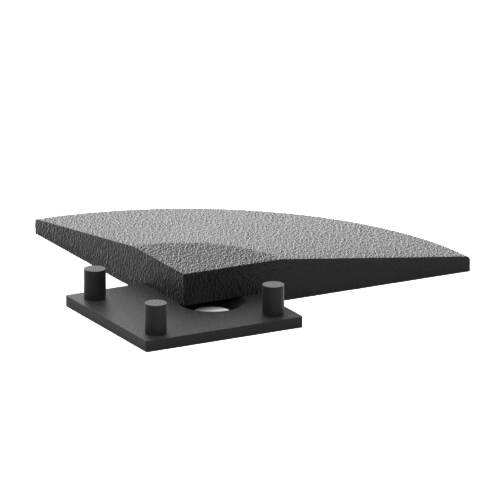
Allow five connectors per 20mm or 40mm tile, remembering each 40mm tile covers half a square metre. Transition strips and corner ramps finish exposed edges and reduce trip hazards. Connectors are not included with the Challenger corner ramp.