Every strength setup starts with the bar. Whether you are building a home gym, fitting out a commercial facility, or upgrading an elite performance training space, the right barbell defines how you train day to day.
A quality barbell is built from high tensile steel to handle repeated loading without compromise. Shaft diameter, knurling, whip, sleeve rotation, and finish all influence how the bar performs under pressure. The right choice comes down to how you train, how often you train, and the environment it sits in.
Core Training Barbells
Core barbells form the foundation of most training environments, built for daily use across strength, functional fitness, and athletic development.
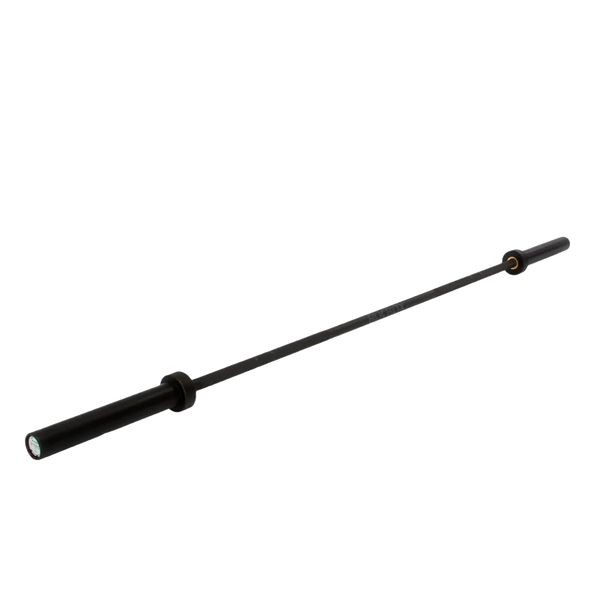
The Belfast Bar is a trusted all-rounder designed for Olympic lifting, strength work, and high volume training. With dual knurl markings and a balanced 28mm shaft, it delivers a consistent feel across multiple training styles. The omission of centre knurl improves comfort during dynamic and repetitive sessions.
The Utility Bar is an entry-level Olympic bar designed for versatility. Built to IWF standards with a 28mm shaft and centre knurl, it supports foundational strength work across squats, presses, and pulls. Finished in hardened chrome for durability, it is a dependable option for beginners and general training environments.
The Hybrid Bar is built for functional and CrossFit-style training where movements vary from session to session. Designed for versatility and durability, it performs across Olympic lifting, strength circuits, and mixed programming environments.
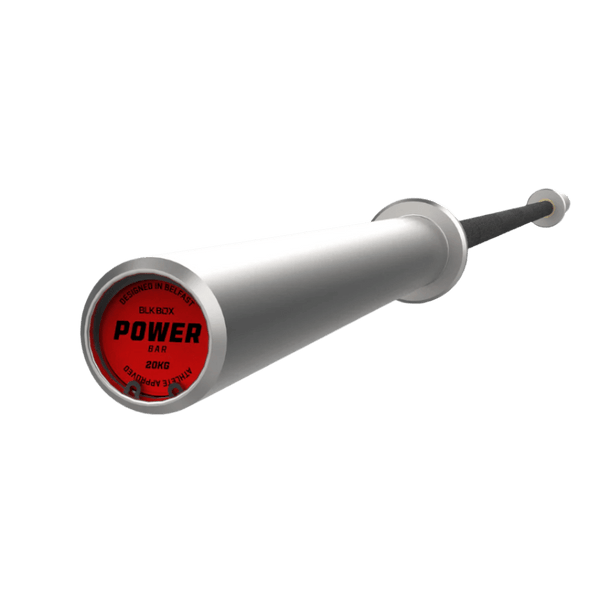
The Power Bar is a competition-style bar built for maximal strength work. With a stiffer 29mm shaft, minimal whip, aggressive knurling, and bronze bushings, it is engineered for squats, bench press, and deadlifts where stability under load is critical.
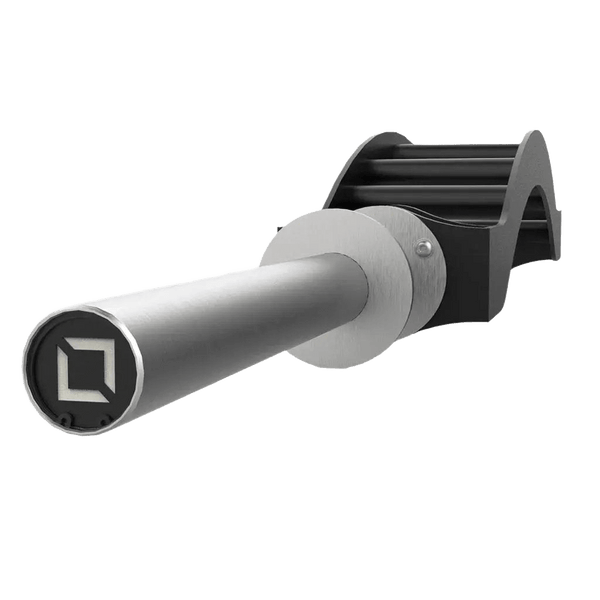
The Stinger Bar is a compact Olympic bar designed for space-conscious training environments. It delivers full performance in a reduced length format, making it ideal for home gyms and smaller facilities. Due to its size, it requires squat stands rather than full racks or rigs.
Speciality Barbells
Speciality bars are designed to support specific movement patterns, reduce joint strain, and expand training variation beyond standard barbell work.
The Curl Bar is engineered to reduce stress on the wrists and elbows during arm training. Its angled grip promotes a more natural hand position, while smooth spinning sleeves support controlled movement through curls and extensions.
The Hex Bar places the load in line with the body to create a more natural lifting position. This reduces stress on the lower back and joints, making it ideal for deadlifts, carries, and shrug variations. Dual handle heights allow for progression and variation.
The Open Hex Bar expands movement options beyond traditional pulling work. Its open frame allows easy entry and enables lunges, carries, and dynamic loaded movements. Integrated jack points support fast plate changes for efficient training flow.
The Multi Grip Bar improves pressing mechanics by offering multiple hand positions and a curved frame that reduces joint strain. Ideal for bench press, overhead press, and rowing variations, it supports upper body strength development with improved comfort.
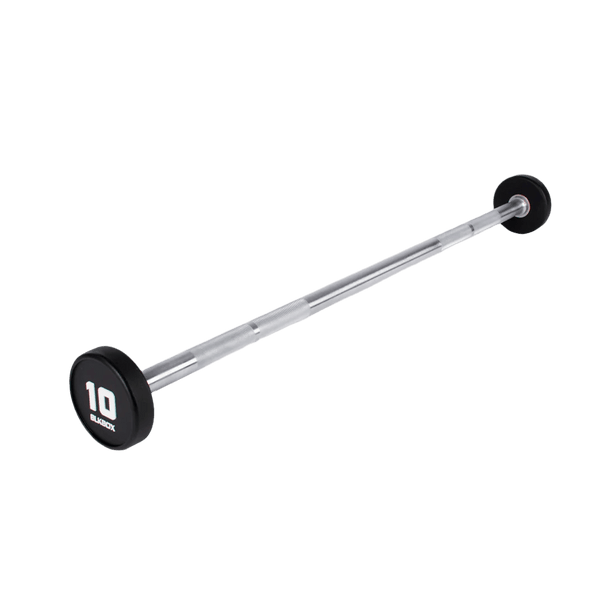
The Urethane Fixed Barbell is a durable, low-maintenance solution for high-traffic gyms. With a one-piece design and protective urethane coating, it reduces noise, protects flooring, and supports fast-paced training environments across all ability levels.
Key Considerations When Choosing a Barbell
Training Style
Olympic lifting and functional fitness are best supported by Belfast, Stinger, or Hybrid bars. Power-focused programming suits the Power Bar. Accessory and rehab work benefits from speciality bars designed for specific movement patterns.
Environment
Commercial gyms should prioritise durability, corrosion resistance, and high cycle performance. Home gyms may focus more on versatility, compact options, and noise control.
Athlete Level
Beginners benefit from versatile, forgiving bars with balanced knurl and controlled whip. Advanced athletes may require more specialised bars tailored to their discipline and performance demands.



 Pre-order

