Hochleistungs-Wettkampfausrüstung, die Sie in jeder Phase Ihrer Vorbereitung auf den Renntag unterstützt.
Wettkampfausrüstung für Functional Fitness zur Rennvorbereitung
Die Wettkampfausrüstungskollektion von BLK BOX umfasst Geräte, die speziell auf die Anforderungen von Hybrid-Ausdauer- und Kraftsportevents zugeschnitten sind. Sie wurden entwickelt, um Bewegungsabläufe am Wettkampftag zu simulieren und Konditionsziele zu unterstützen. Egal, ob Sie sich auf Schlitten-Schieben, Wall Balls oder Sandsack-Tragen vorbereiten, dieses Sortiment deckt jede Phase der Rennvorbereitung ab.
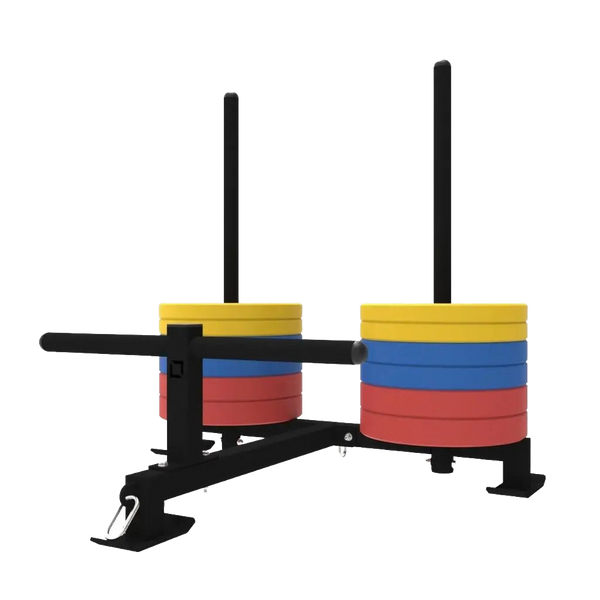
Trainieren Sie explosiv mit dem BLK BOX Gym Dog Sled, der für intensive Push-Pull-Übungen zur Steigerung von Kraft und Antrieb konzipiert ist. Für Griffkraft und Rumpfstabilität bietet das BLK BOX Jute-Kletterseil eine robuste Herausforderung. Die BLK BOX Wall Balls sind auf Präzision und Langlebigkeit ausgelegt und eignen sich ideal für Wall Ball-Würfe mit hoher Wiederholungszahl gegen das an der Wand montierte Double Wall Ball Target. Bringen Sie Abwechslung in Ihr Krafttraining mit den BLK BOX Exercise Sandbags, die sich hervorragend für Trageübungen, Cleans und Presses eignen.
Hybrid-Training für Kraft & Ausdauer
Bei Hybrid- und Functional-Events wechseln Athleten in der Regel innerhalb derselben Einheit zwischen Kraft-, Leistungs- und Ausdauerübungen. Daher muss die Ausrüstung wiederholten, unterschiedlichen Belastungen standhalten und nicht nur für einen einzigen Hebetyps ausgelegt sein. Wenn Sie einen Trainingsbereich um diese Art von Ausrüstung aufbauen, können Athleten die Übergänge am Wettkampftag einüben, anstatt jede Disziplin isoliert zu trainieren.
Für eine größere Auswahl an Hybrid- und Functional-Wettkampfausrüstung durchstöbern Sie die vollständige Wettkampfkollektion.
What equipment do I need for fitness-race training?
For fitness-race training, plan around the core movement patterns: sled push and pull, wall balls, sandbag lunges, running and conditioning work. The BLK BOX Competition range includes competition sleds, wall balls and targets, pre-filled competition sandbags, ropes, kettlebells, turf and cardio equipment so you can build the area in stages.
Which equipment should I buy first for a competition training area?
Prioritise the stations that define the sessions you will run most often. A practical first phase is a clear sled lane with a suitable sled and plates, wall balls with a target, and pre-filled sandbags, cardio ergs and additional stations can then be added as class size, budget and programming develop.
How should I choose wall balls, sandbags and sled equipment?
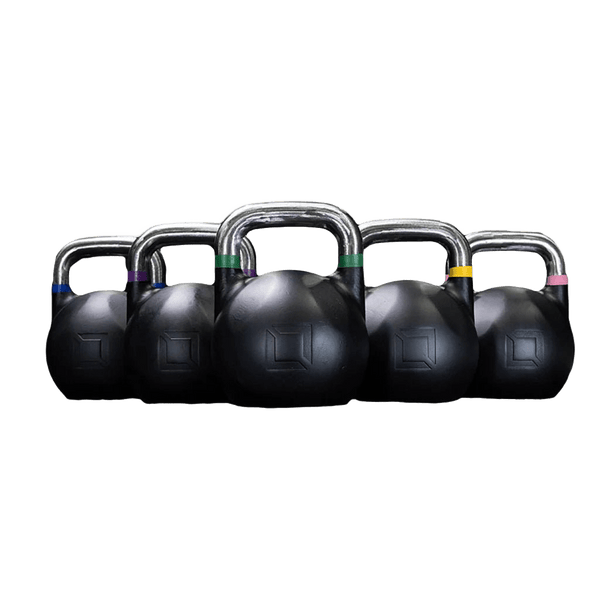
Choose weights around the athletes and event divisions you are preparing for, then add progression options above and below those loads. BLK BOX wall balls come in six colour-coded weights, Competition Sandbags are available from 10kg to 30kg, and the Competition Sled allows plate loading for adjustable resistance.
What is included in a complete competition training equipment list?
A complete competition-style training list can include a sled and Olympic plates, sled pulling equipment, turf lane, wall balls and target, sandbags, competition kettlebells, rope work and cardio ergs. The exact list should follow the session format and current event rules rather than treating every possible station as essential for every facility.
How can I build a competition-training equipment list within a fixed budget?
Set the budget around the highest-priority stations first, then phase the rest. Sled, turf, wall-ball and sandbag stations can cover a large part of competition-style strength and conditioning before adding more cardio equipment, duplicate stations or dedicated competition rigs for larger group throughput.
Which station equipment can I use in a small home gym?
In a small home gym, use equipment that stores compactly and does not need a permanent lane, wall balls, pre-filled sandbags, competition kettlebells and compact conditioning tools. A full sled lane needs substantially more clear floor length, so only add it if you have a suitable turf run in your flooring configuration.
Where can I check the current equipment weights for my event division?
Use the official event rulebook for current division weights and station standards. Training equipment pages can help you choose products, but event loads and specifications can change, so the current organiser rulebook should be the final reference before competition.
Is this equipment intended for training or officially approved for competition?
BLK BOX is the official supplier of ATHX competition equipment and therefore equipment is of the competition standard on the ATHX floor. For other competitions, the BLK BOX Competition equipment can be used as training equipment unless the individual product explicitly states an official approval or certification. Some products are designed to replicate competition-style specifications.
How many wall balls and sandbags should I plan for coached group sessions?
Base quantities on how many athletes perform the same station at the same time. For rotating small-group sessions, fewer wall balls and sandbags can serve a larger group. For synchronised work, plan one usable item per active athlete plus appropriate progression weights. Build the quantity plan from class size and station rotation rather than a fixed ratio.
Which ropes, handles and targets must I buy separately?
Accessories vary by station. A Speed Sled includes pulling straps, while other sleds may require separate harnesses, ropes or handles. Wall-ball targets are separate products, and rig-mounted targets must match the rig or rack. Check the contents of each station before finalising your equipment list.
Can I start with a smaller equipment list and add stations later?
Yes. Competition training areas can be phased. Start with the stations your programming uses most, then add duplicate wall balls and sandbags, additional sled equipment, cardio ergs, targets and storage as class capacity and budget increase.
Can you quote for delivering the whole training setup together?
Yes. Build the complete equipment list through Add to Quote or the gym design team so equipment, flooring, delivery and installation can be reviewed together. For a larger facility, include room dimensions, class format and required station quantities so the quote reflects the whole setup rather than isolated products.
 BLK November - 20% off
 BLK November - 46% off
 BLK November - 20% off
 BLK November - 20% off
 BLK November - 20% off
 BLK November - 20% off Ausverkauft
 BLK November - 20% off

 BLK November - 20% off
 BLK November - 36% off

 BLK November - 20% off
 BLK November - 20% off
 BLK November - 20% off
 BLK November - 20% off
 BLK November - 20% off

 BLK November - 20% off
 BLK November - 20% off
 BLK November - 20% off
 BLK November - 20% off
 BLK November - 20% off
 BLK November - 20% off
 BLK November - 40% off Ausverkauft
 BLK November - 20% off
 BLK November - 20% off
 BLK November - 20% off


